There are moments in life when we feel the urge to act immediately. To say something. To decide something. To…
Continue Reading
There are moments in life when we feel the urge to act immediately. To say something. To decide something. To…
Continue Reading
For a long time, I’ve carried everything on my own. The chores, the responsibilities, the quiet weight of everyday life.…
Continue Reading
Who am I when I’m not someone’s daughter, someone’s partner, someone’s mother, someone’s teacher, someone’s everything? It’s a quiet question.…
Continue Reading
The spring is here, and the weather is lovely today — a welcome change after the cold months. As I…
Continue Reading
For much of our lives, we are taught to chase happiness. We imagine it waiting somewhere ahead of us —…
Continue Reading
This year, I’ve chosen to surround myself with people who uplift, inspire, and align with my values — not out…
Continue Reading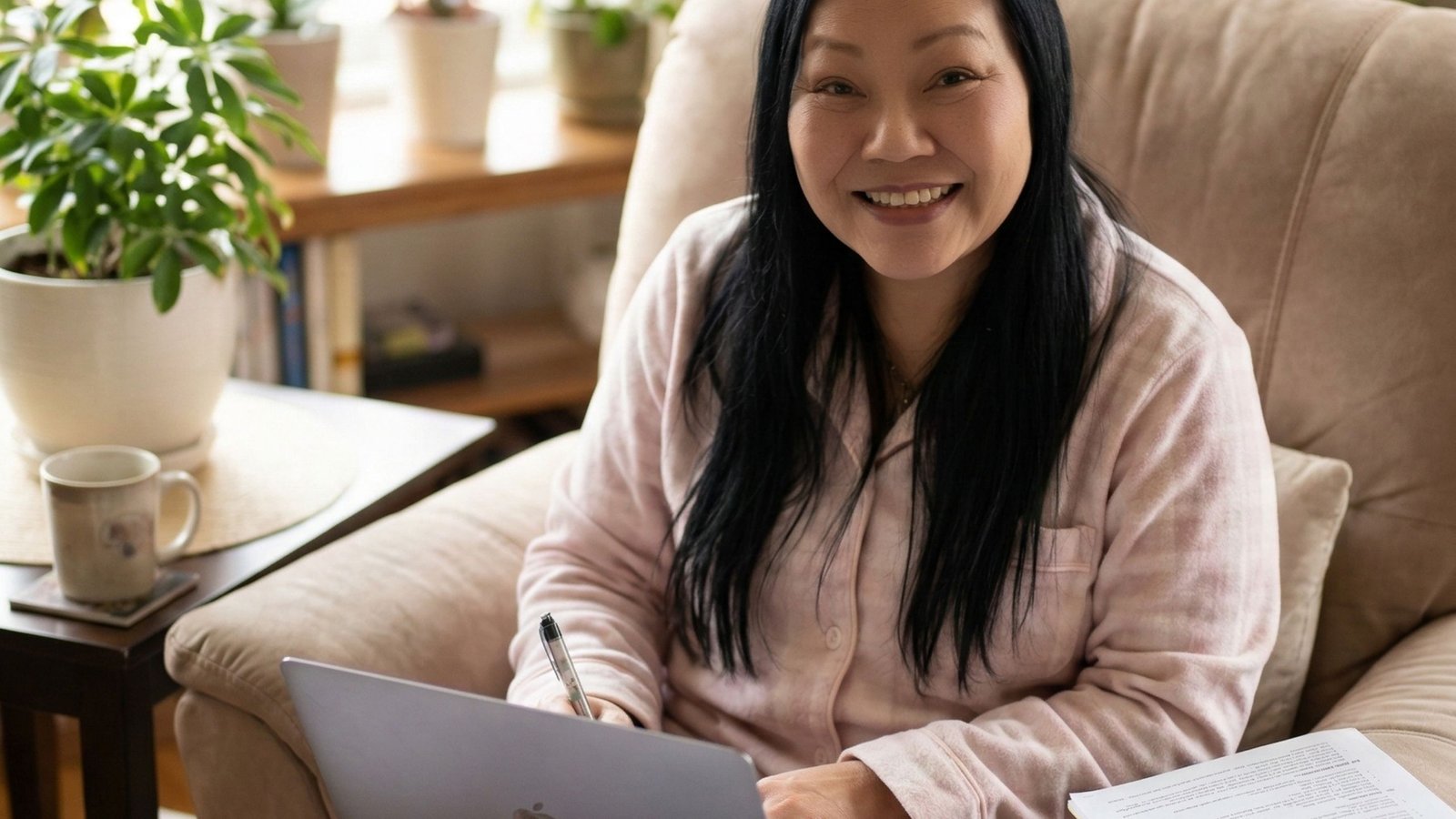
Even when it feels invisible, even when no one acknowledges it, your resilience, your dedication, and your unwavering love are…
Continue Reading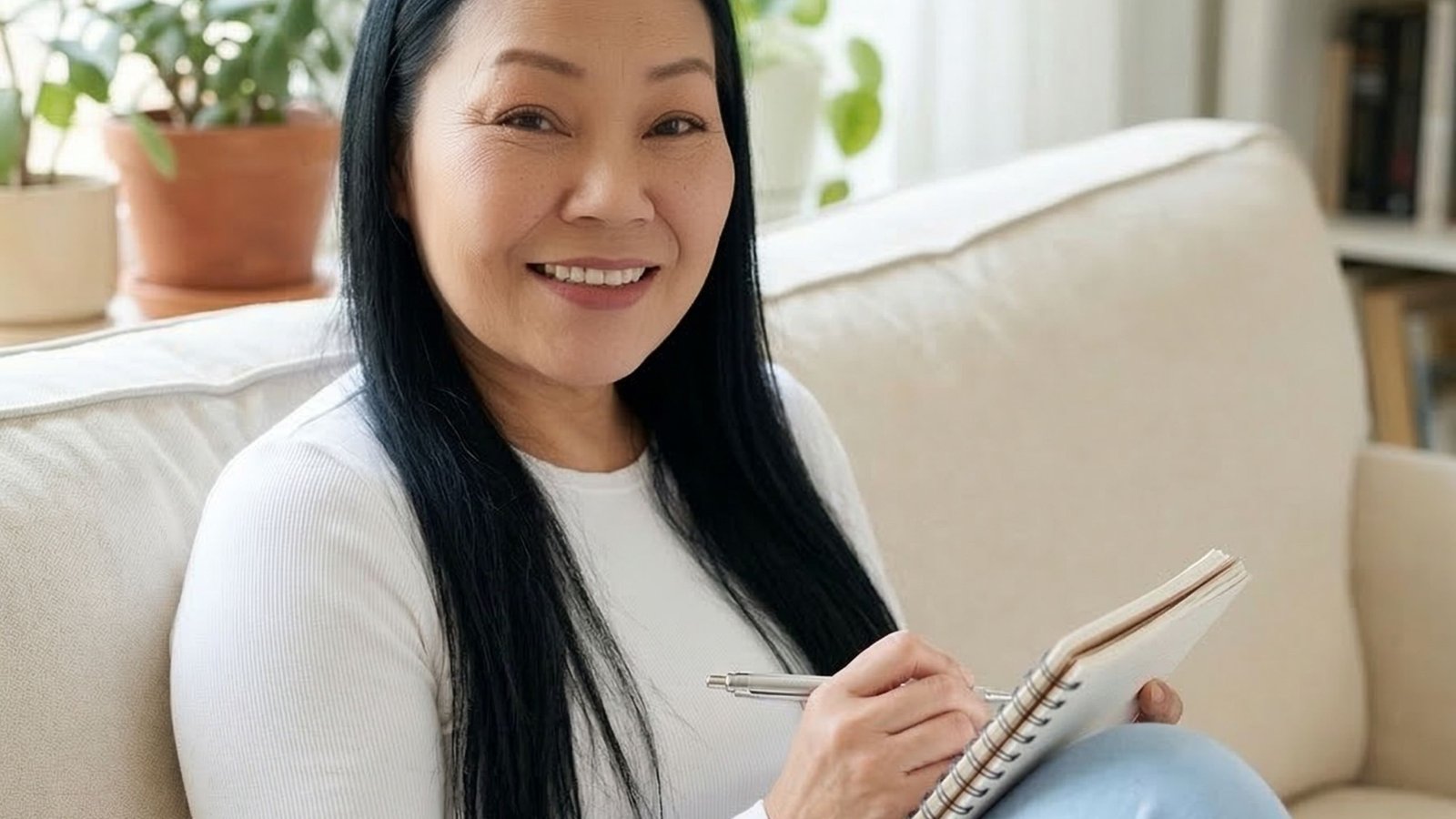
There was a time in my life when I truly did not know what would come next. No qualifications. No…
Continue Reading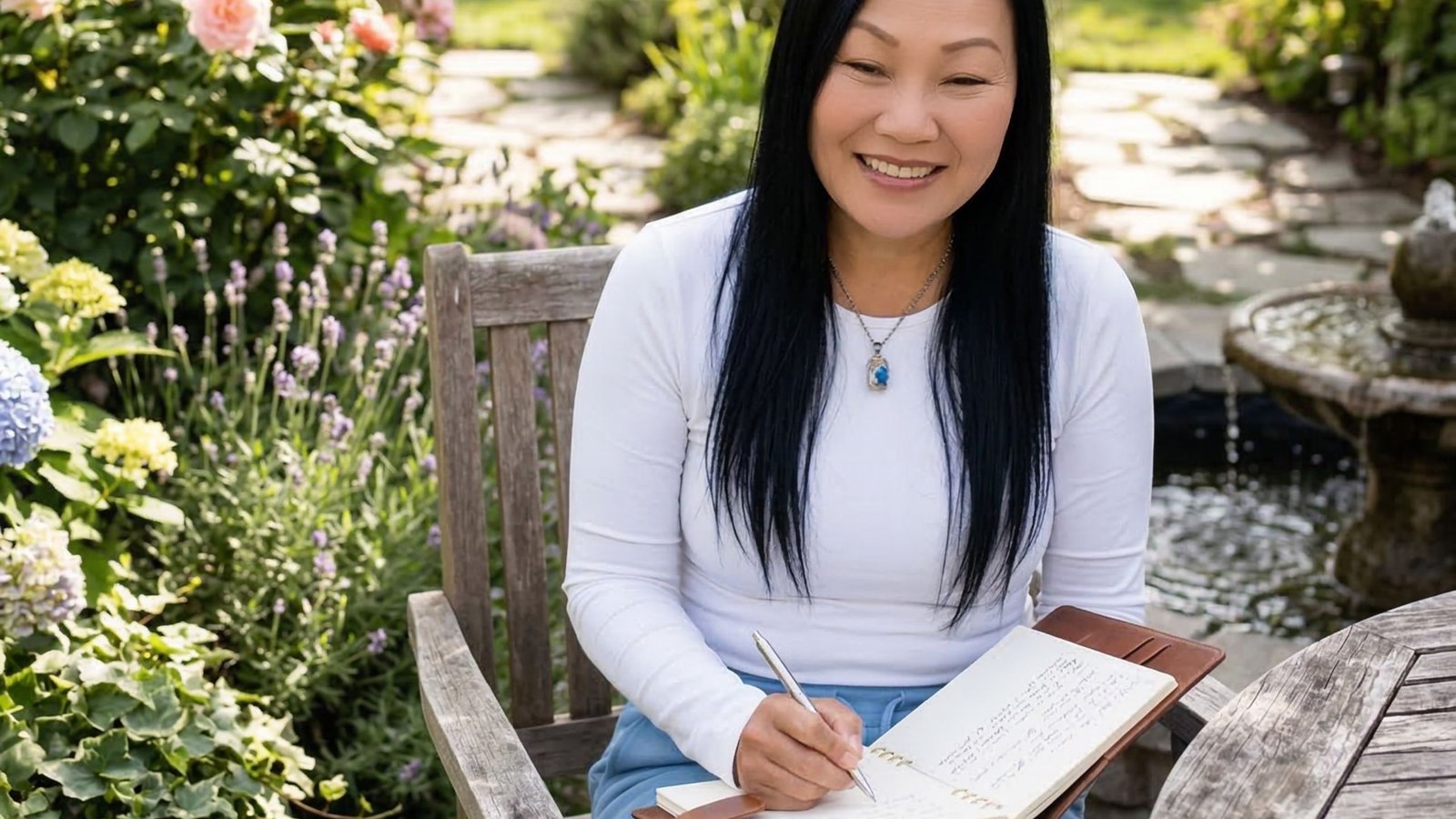
Sometimes, competition is healthy. It can push people to grow, discover their strengths, and strive for better. But there is…
Continue Reading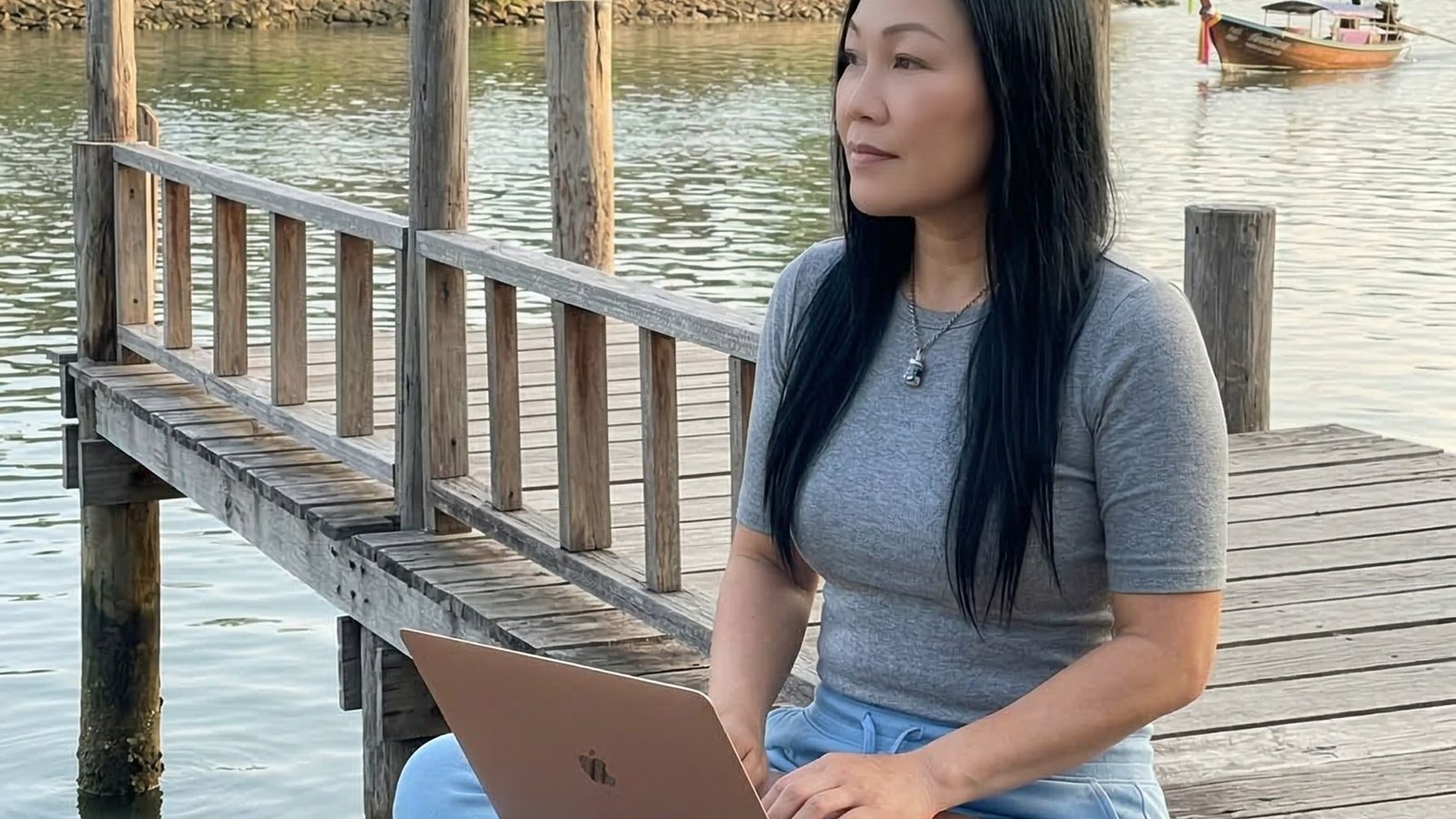
Learning to hear what people don’t say is not really about analysing others. It is about learning to trust your…
Continue Reading
There are periods in life when everything feels clear. You know where you are going, what you want to do,…
Continue Reading